Need storm & hail damage roof repair services in Charlotte?
Thinking about a new roof or worried after a storm? Request a callback or send the short form, and a local provider can follow up with you.
No obligationRequest a storm damage inspection
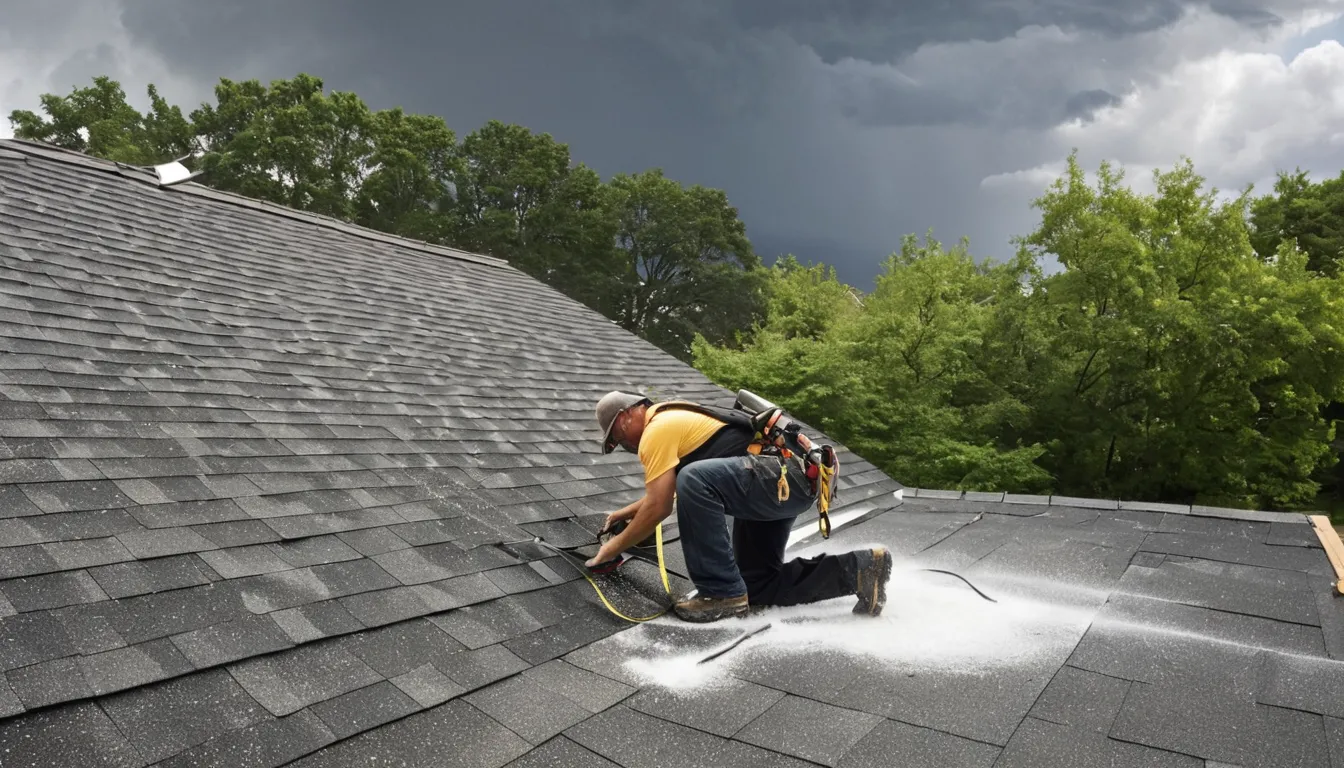
Thunderstorms, hail, high wind and the remnants of tropical systems can tear shingles loose, dent metal, crack vents and drop limbs onto a roof in minutes. Some damage is easy to see from the yard. Other damage, like bruised shingles or lifted tabs, only shows up as a leak weeks later. That is why a prompt inspection matters even when the roof looks fine from below.
Playingboard Roofing is a referral service. We connect homeowners in Charlotte and across the Charlotte area with independent local roofing contractors who handle storm damage roof repair. The provider inspects the roof, takes photos, explains whether a repair or a replacement makes more sense and gives you a written quote. Many providers can also help document damage for an insurance claim. You stay in charge of every decision, and there is no obligation to hire.
Wait until the storm has fully passed before going outside. Look for downed power lines and keep well away from them. Report any lines to the utility. Do not climb onto the roof or up a ladder to check for damage. Wet shingles, loose debris and weakened decking make roofs dangerous after a storm.
If water is coming in, move valuables away from the leak, set out buckets and turn off power to any room where water reaches lights or outlets. If a tree is resting on the house, stay out of the rooms below it.
Take photos with the date showing. Write down when the storm hit. These notes help a provider and can help with a claim later.
Wind can lift shingle tabs and break their seal without tearing them off. Hail can crack the mat inside a shingle while leaving the surface looking almost normal. Both let water in slowly. In a humid climate, trapped water can lead to rotten decking and mold in the attic. Many policies also set time limits on reporting damage, so waiting can cause problems.
Hail leaves round dark marks where granules are knocked off. On metal roofs and vents it leaves dents. Larger hail can crack shingles outright.
Strong gusts lift and crease shingles, peel back edges and strip ridge caps. Damage often starts at corners, edges and the side facing the wind.
A heavy limb can puncture decking and break rafters. Leave the removal to a tree service or roofing crew with the right gear.
Long soaking rain from tropical remnants can find any weak spot in flashing or underlayment.
An ice storm can bend gutters and force meltwater under shingles at the eaves.
A provider walks the roof with fall protection and checks shingles, flashing, vents, gutters and the attic below. They usually photograph each slope and mark hail hits or wind creases. You should get a clear explanation of what they found and a written estimate for the work.
If the roof is open, a provider can put a tarp over the damaged area to keep rain out until repairs begin. Do not try to tarp a roof yourself. Ladders and tarps in wind are a common cause of falls.
Scattered damage on a younger roof can often be repaired. If damage covers most slopes, or the roof was already near the end of its life, replacement may make more sense. Matching old shingles can also be hard. Ask the provider to explain the reasons behind their advice.
Some homeowners policies may cover sudden storm or hail damage. Wear and tear from age is usually not covered. Check your policy, call your insurer to report the damage and keep copies of all photos and paperwork. A provider can often meet the adjuster and help document what they found. The insurer decides what is covered.
After big storms, out-of-area crews often go door to door. Do not sign anything on the spot. Do not hand over your insurance check before work is done. Ask for a local address, proof of insurance and a written quote, and take time to compare.
A provider checks every slope, vent, gutter and the attic for hail and wind damage.
Dated photos of each damaged area for your files and your insurer.
Temporary cover over openings to keep rain out until repairs.
A written estimate that explains what needs fixing, what it costs and why the provider recommends it.
These are typical U.S. ranges. Costs vary with the size of the damage, the roof material, access and whether insurance is involved. Ask for a written quote and check your policy deductible before work begins.
| Item | Typical range | Notes |
|---|---|---|
| Storm damage inspection | $100 to $400 | Some providers include it with a quote |
| Emergency tarping | $300 to $1,500 | Depends on size and roof pitch |
| Shingle repair after wind | $300 to $1,500 | Small areas of lifted or missing shingles |
| Hail damage repair | $1,000 to $5,000 | Several slopes or many damaged shingles |
| Limb impact repair | $1,500 to $7,000 | May include decking and rafter work |
| Full roof replacement | $8,000 to $20,000 | When damage covers most of the roof |
Keep off the roof, stay clear of downed lines and take dated photos from the ground.
Call or send the form with a short description of the storm and the damage you see.
A local provider inspects the roof and attic and documents the damage.
Review the written quote, check with your insurer and choose when the work begins.
We tell you what to check from the ground and what to leave to a provider with gear.
Independent contractors who know the region's thunderstorms, hail and tropical rain.
Providers can often photograph and document damage to help you with an insurance claim.
You get a written quote and time to decide. There is never an obligation to hire.
Thinking about a new roof or worried after a storm? Request a callback or send the short form, and a local provider can follow up with you.
No obligationLook for dents on gutters, downspouts and vents, and granules piling up in the gutters. Hail marks on shingles can be hard to see from the ground, so ask a provider to inspect the roof up close.
Many policies set a time limit for reporting damage. Check your policy, report the storm promptly and keep dated photos and receipts for any temporary repairs.
Take your time. Ask for a local address, proof of insurance and a written quote. Compare it with quotes from other providers before you sign anything.
Thinking about a new roof or worried after a storm? Request a callback or send the short form, and a local provider can follow up with you.
No obligation